

Get the latest news from PW Marine OEM

How OEM Metal Fabricators De-Risk Your Powersports Supply Chain
Supply chain risk in metal fabrication programs lives upstream — in DFM gaps, tooling decisions, and qualification shortcuts that don't surface until production. Here's how a qualified OEM fabricator eliminates each risk point before it becomes a program problem.
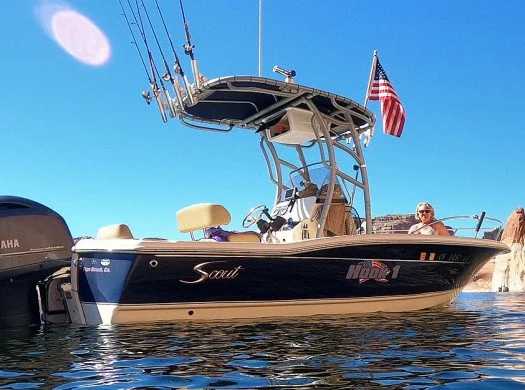
Stainless Steel vs Aluminum for Boat Hardware
Neither stainless steel nor aluminum is universally superior for boat hardware. They serve different roles on the same vessel, and selecting correctly for each application determines long-term reliability.
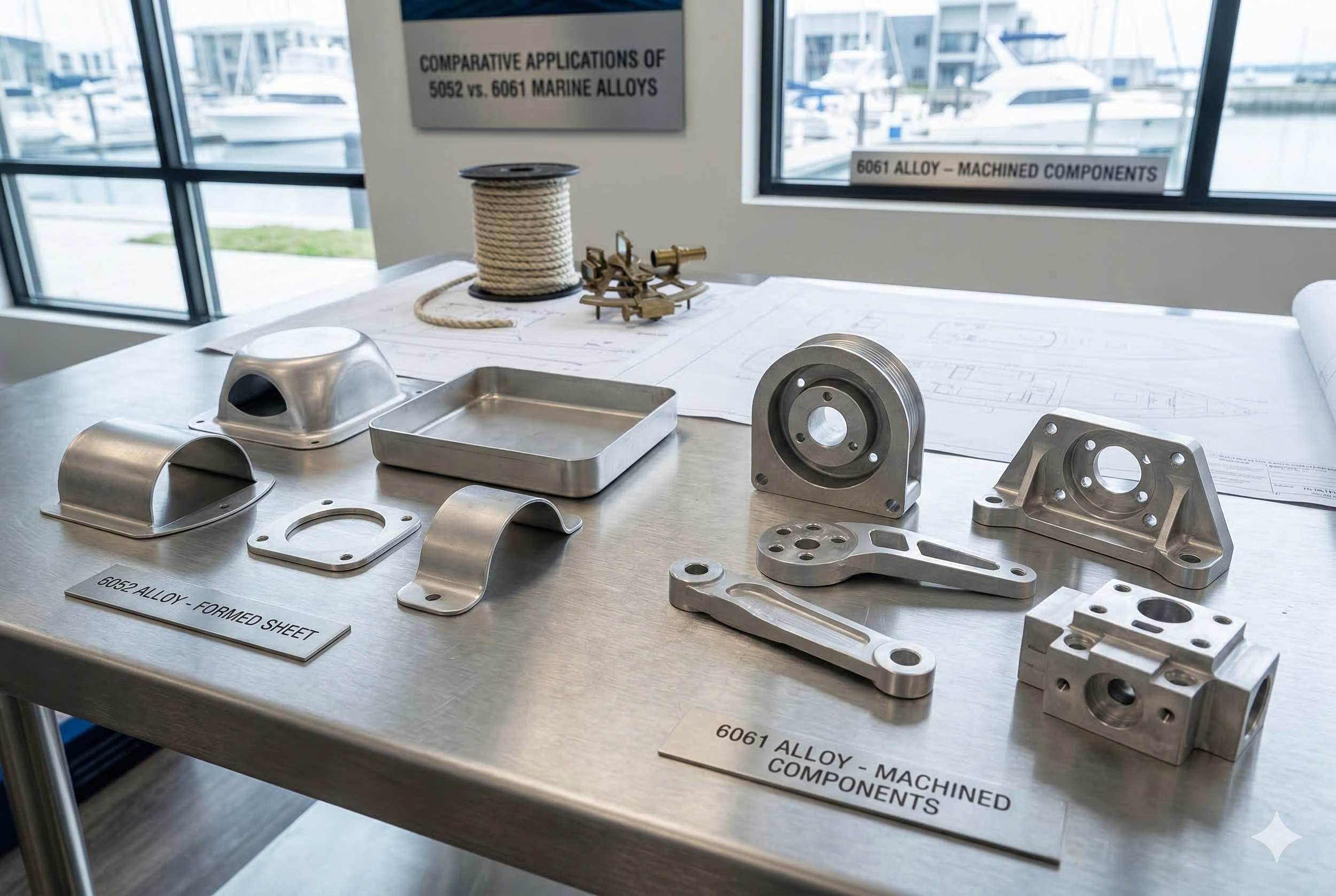
Best Aluminum Alloys for Marine Parts (5052 vs 6061 vs 5083)
5052, 6061, and 5083 aluminum are not interchangeable. Each serves a distinct role in marine hardware. Specifying the wrong alloy is a common source of premature failure — particularly in welded assemblies where 6061’s weld-zone strength loss matters.

Weight, Corrosion, and Load: The Metal Hardware Specification Framework for RV and Van Builders
Hardware specifications that don't account for weight budget, corrosion environment, and structural load requirements produce components that are overbuilt where it doesn't matter and underspecified where it does. This post covers the specification framework that governs durable, weight-efficient metal hardware for RV and van conversion programs.

Why Your RV and Van Conversion Hardware Needs OEM-Grade Metal Fabrication Standards
Job-shop hardware specs don't hold up in production RV and van conversion programs. This post breaks down what OEM-grade metal fabrication actually delivers — weight control, corrosion performance, dimensional consistency, and documentation — and why the gap shows up in your warranty data.

Speed to Market Without Cutting Corners: OEM Fabrication and Your Launch Schedule
Launch schedule pressure is real. So are the program costs when quality shortcuts during development catch up with you in production. This post covers how OEM fabricators deliver prototype velocity and production readiness — without trading one for the other.
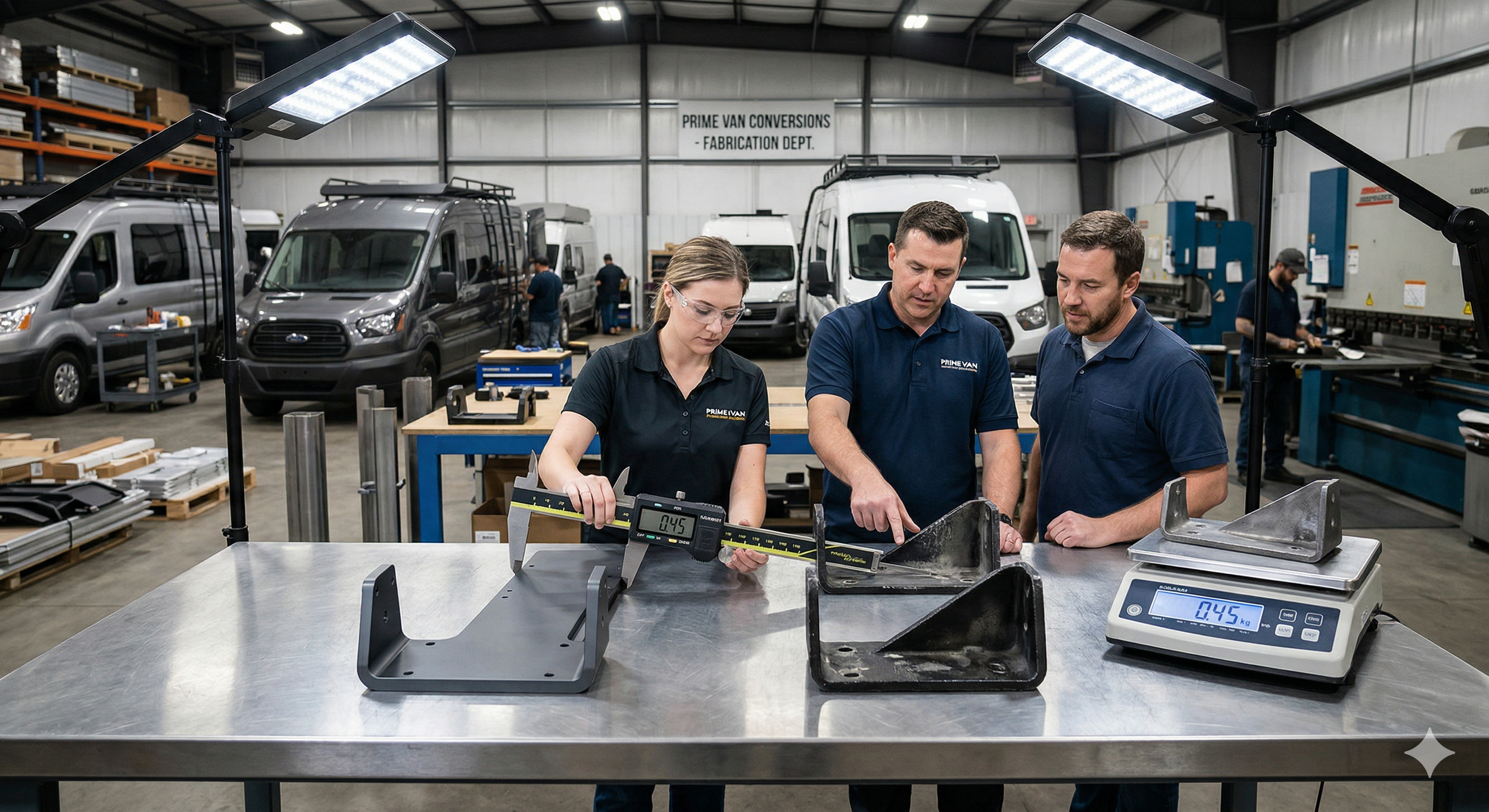
Custom vs. Off-the-Shelf: Metal Hardware Decisions for RV OEM and Van Conversion Programs
Catalog hardware is faster to specify and easier to price. It also introduces tolerance gaps, weight penalty, and corrosion performance uncertainty that show up in field failures and warranty claims. This post breaks down where custom fabrication delivers better outcomes — and where catalog hardware is the right call.

Corrosion Protection for High-Performance Off-Road Vehicles: A Materials Guide
Mud, road salt, UV exposure, standing water, and thermal cycling are the corrosion environment your UTV components live in. This guide covers which finishing processes survive that environment — and how to verify performance before production release.
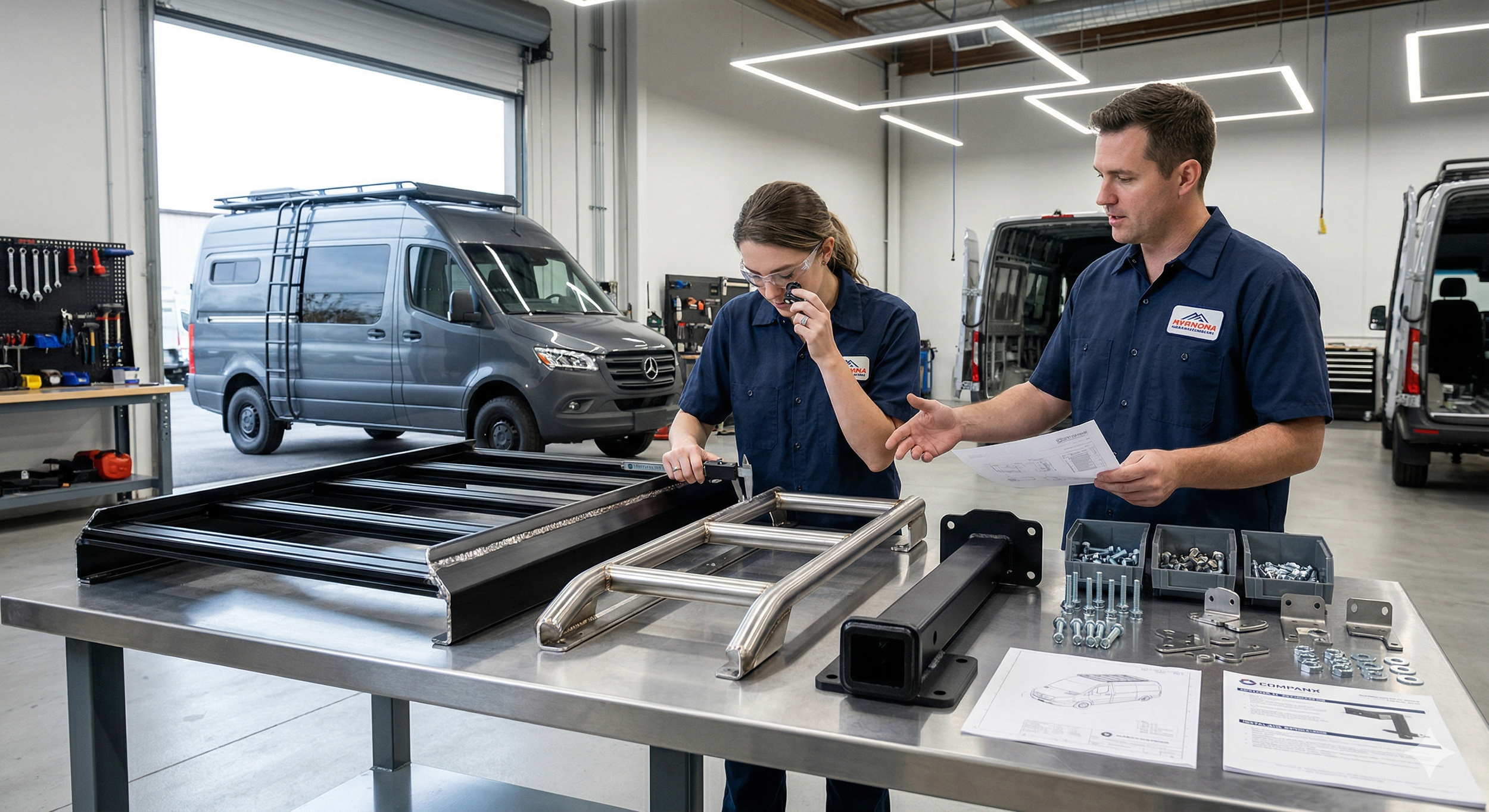
Exterior Hardware That Survives the Road: Roof Racks, Ladder Mounts, and Structural Attachments for RV and Van Programs
Exterior hardware on an RV or van conversion faces a demanding combination of structural load, UV degradation, thermal cycling, and moisture exposure — simultaneously, for years. This post covers the fabrication and finish specifications that survive that environment across the service life of the vehicle.
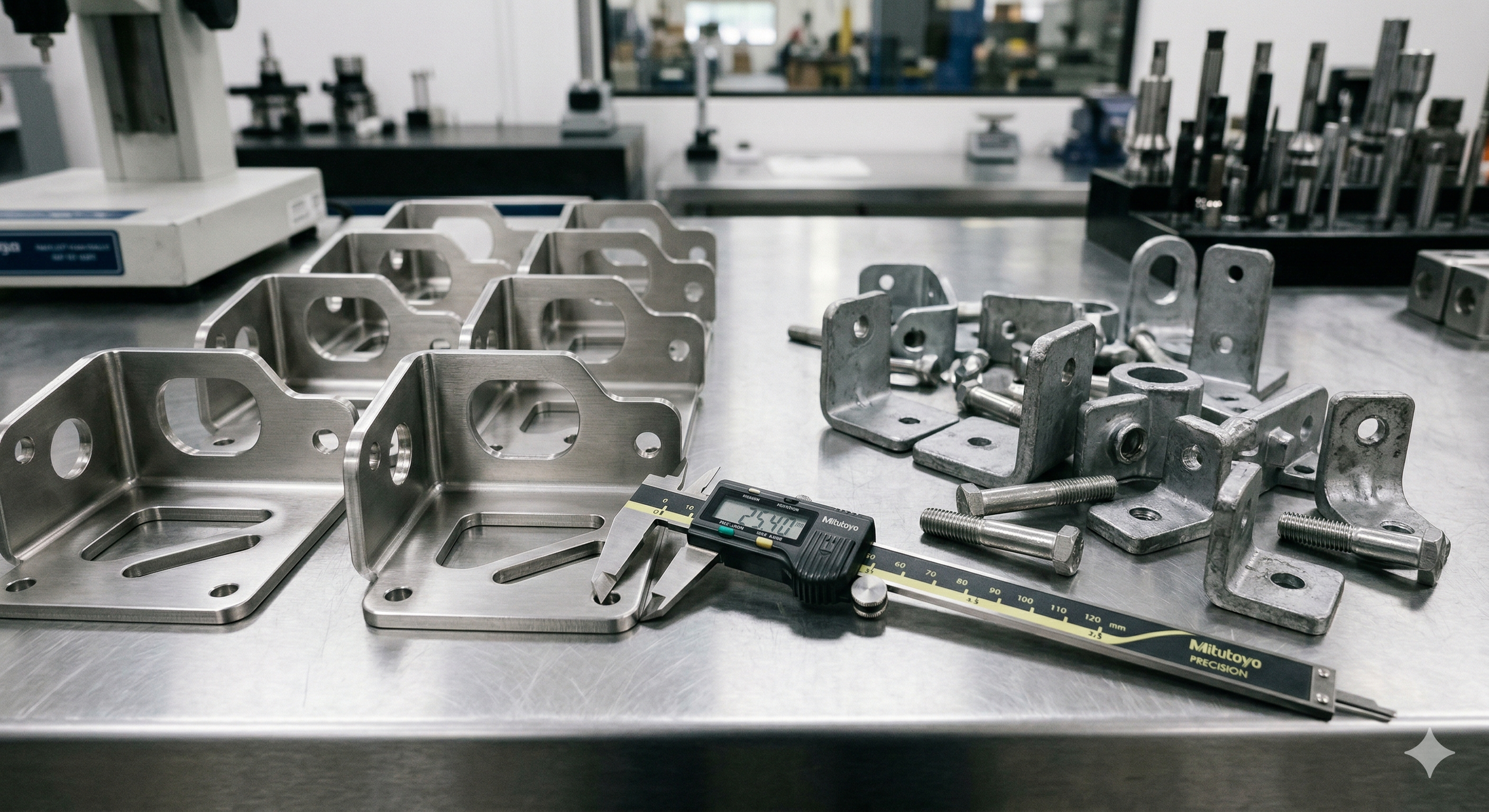
Custom Metal Components vs. Off-the-Shelf: The Hidden Cost of Compromise
Off-the-shelf hardware has its place. Purpose-built OEM components have a different place. This post breaks down where each belongs — and where choosing the wrong one creates costs that don't show up on the purchase order.
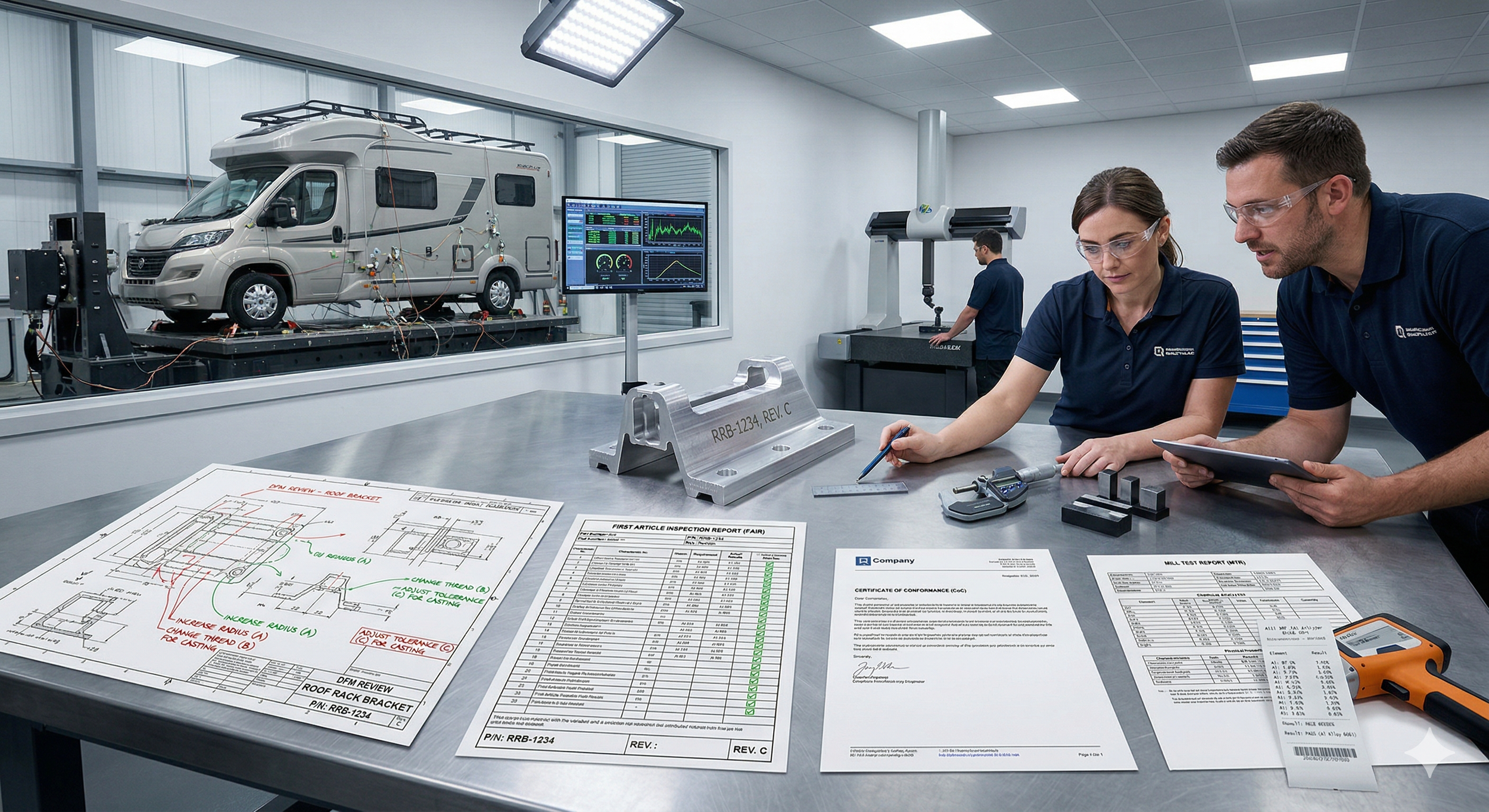
How to De-Risk Your RV or Van Conversion Hardware Supply Chain
Hardware supply chain failures in RV and van conversion programs don't originate on the production floor — they originate in qualification shortcuts and documentation gaps from the prototype stage. Here's the risk control framework that eliminates them upstream.
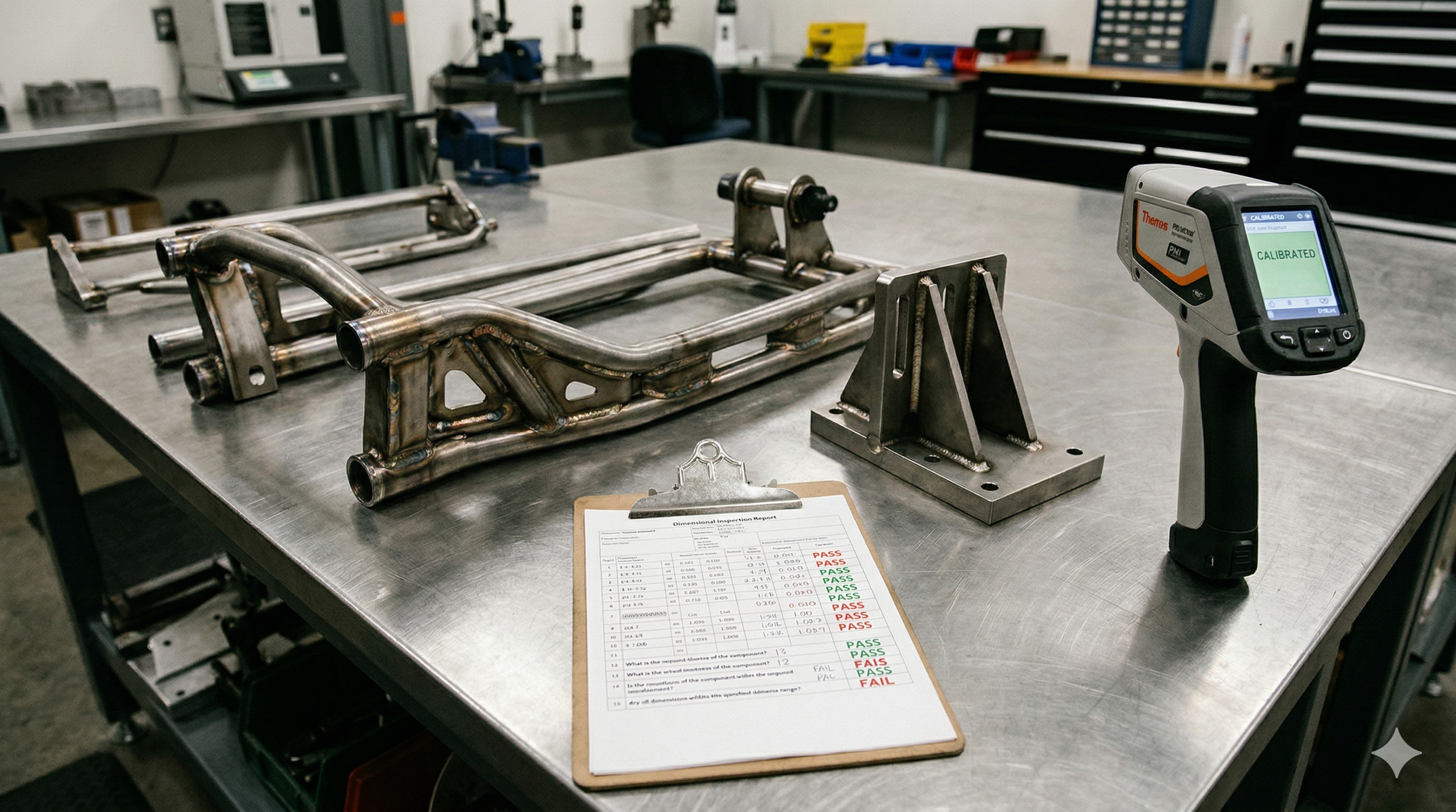
Why Your Side-by-Side Chassis Needs OEM-Grade Metal Fabrication Standards
Job-shop tolerances aren't built for production-volume UTV chassis. This post breaks down what OEM-grade metal fabrication actually requires — and why the gap between 'good enough' and specification-compliant matters at scale.
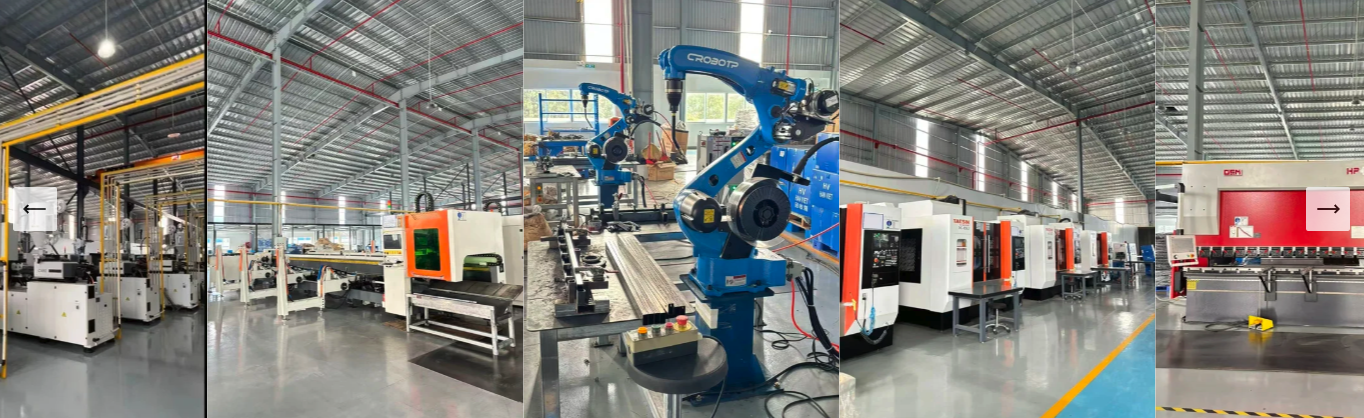
PW Marine OEM Releases New “Factory Tour” Video Showcasing Expanded Capacity and Next-Level Marine Manufacturing
PW Marine OEM today announced the release of a brand-new video that gives customers and prospects a behind-the-scenes “tour of the new factory,” highlighting the company’s expanded production footprint, modern equipment, and OEM-ready processes built for consistent quality at scale.